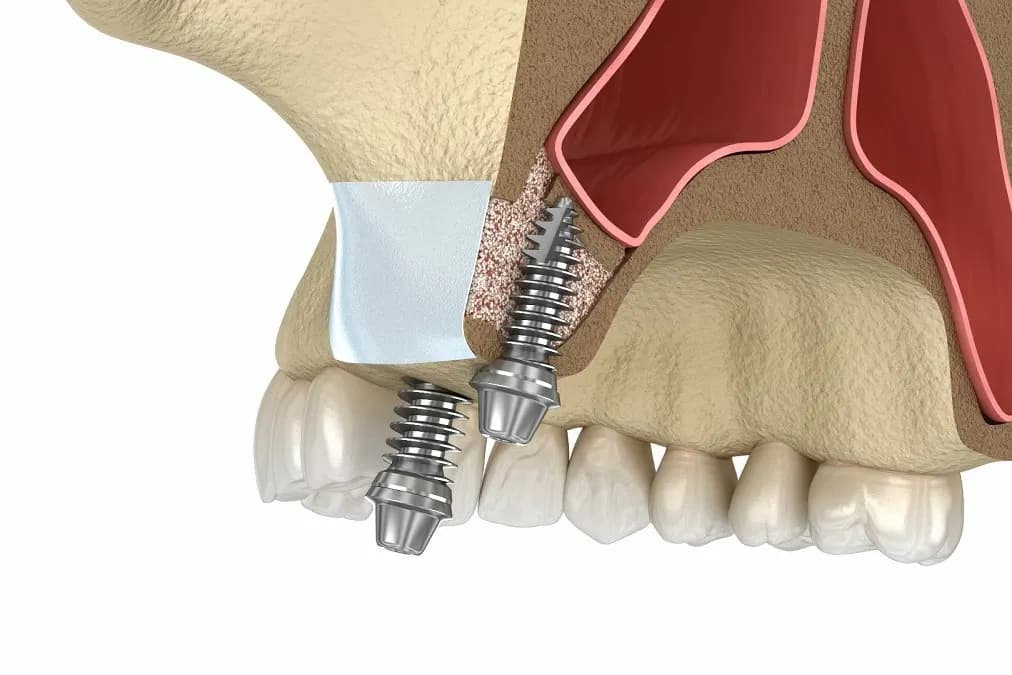
Sinus lifting (sinus elevation) is a surgical operation performed in the back of the upper jaw when there is not enough bone for an implant beneath the sinus cavity. During it, the sinus membrane is lifted upward and bone material is placed into the freed space, creating the height needed for the implant.
Why does the problem arise specifically in the upper jaw?
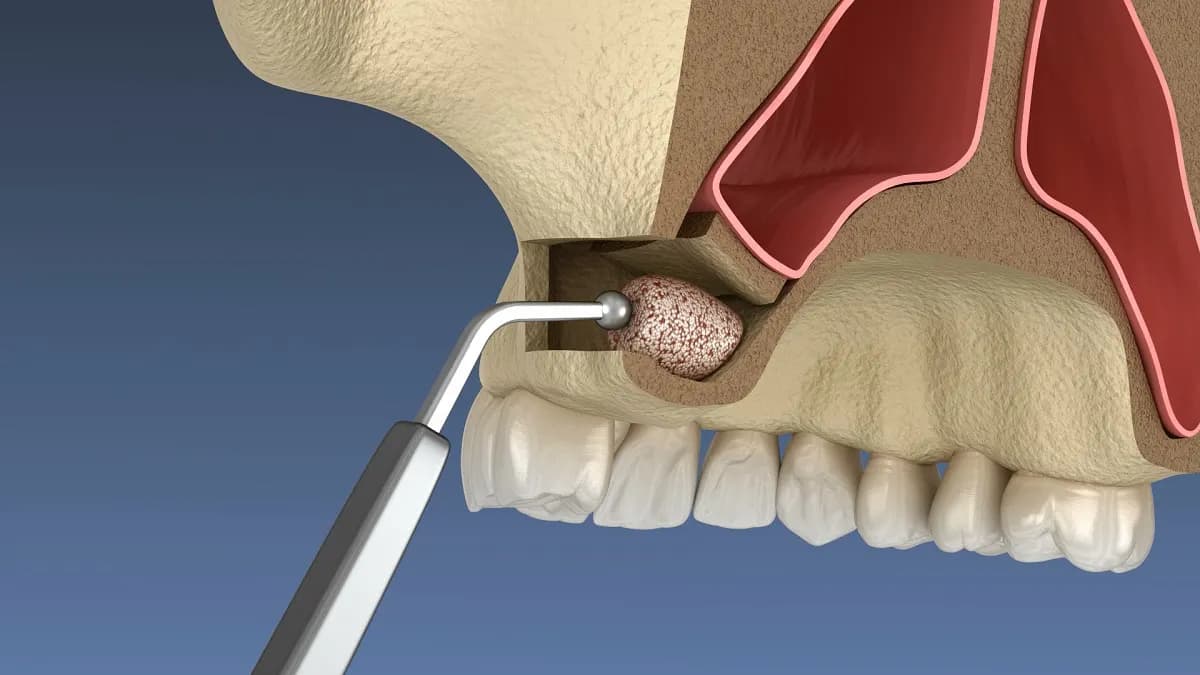
Directly above the back (molar) region of the upper jaw lies an air-filled cavity — the maxillary sinus. After a tooth is lost, two processes occur at the same time: below, the bone that held the tooth root gradually shrinks (resorption), while above, the sinus cavity expands downward (pneumatisation). As a result, the bone height needed for a reliable implant decreases.
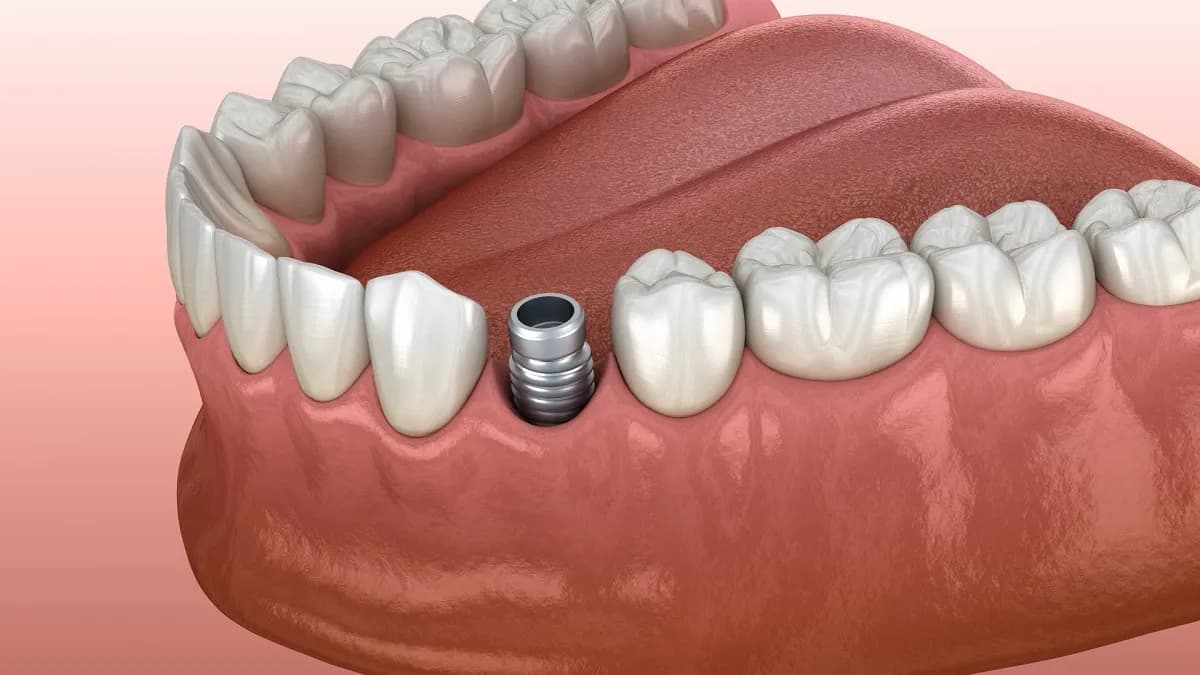
For a standard implant to hold firmly, at least 10 mm of bone depth is usually required. If the tooth was lost long ago, only 3–5 mm of bone may remain in this region. It is precisely to fill this gap that sinus lifting is used.
When is sinus lifting needed?
The decision is made based on a 3D CT (cone-beam tomography) taken before implantation. The doctor measures the exact bone height and determines the need:
- Sufficient bone (≈10 mm and more): No sinus lift needed — the implant is placed directly.
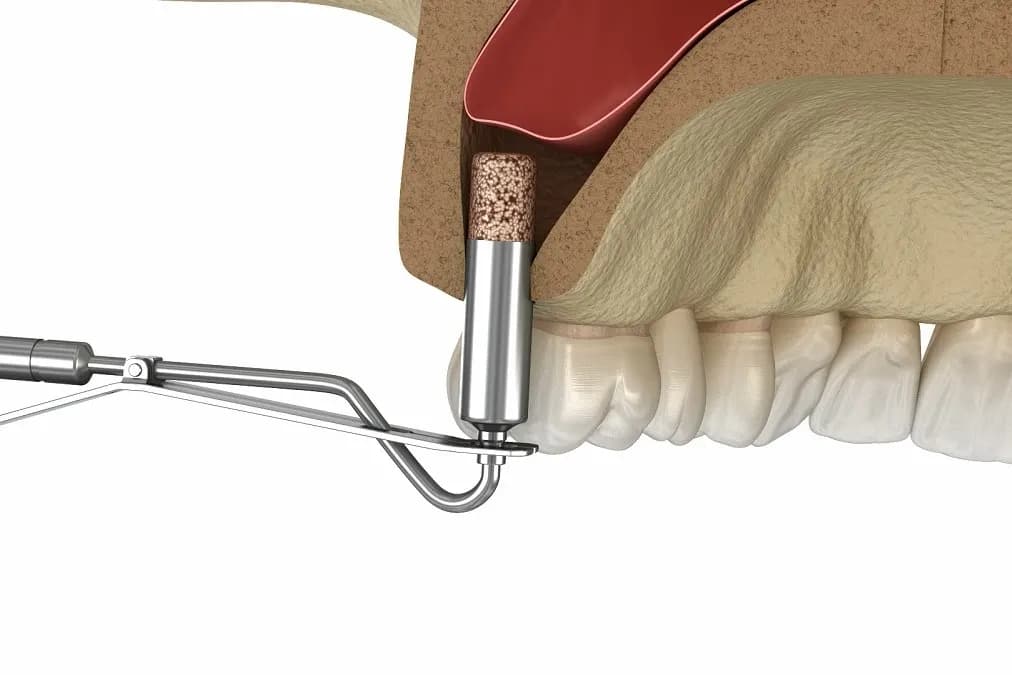
- Moderate deficiency (≈5–8 mm): The closed (transcrestal) method is often sufficient.
- Severe deficiency (less than ≈4 mm): An open (lateral) sinus lift is required.

How is the operation performed?
An open sinus lift is performed under local anaesthesia, painlessly. The operation is carried out step by step, carefully:
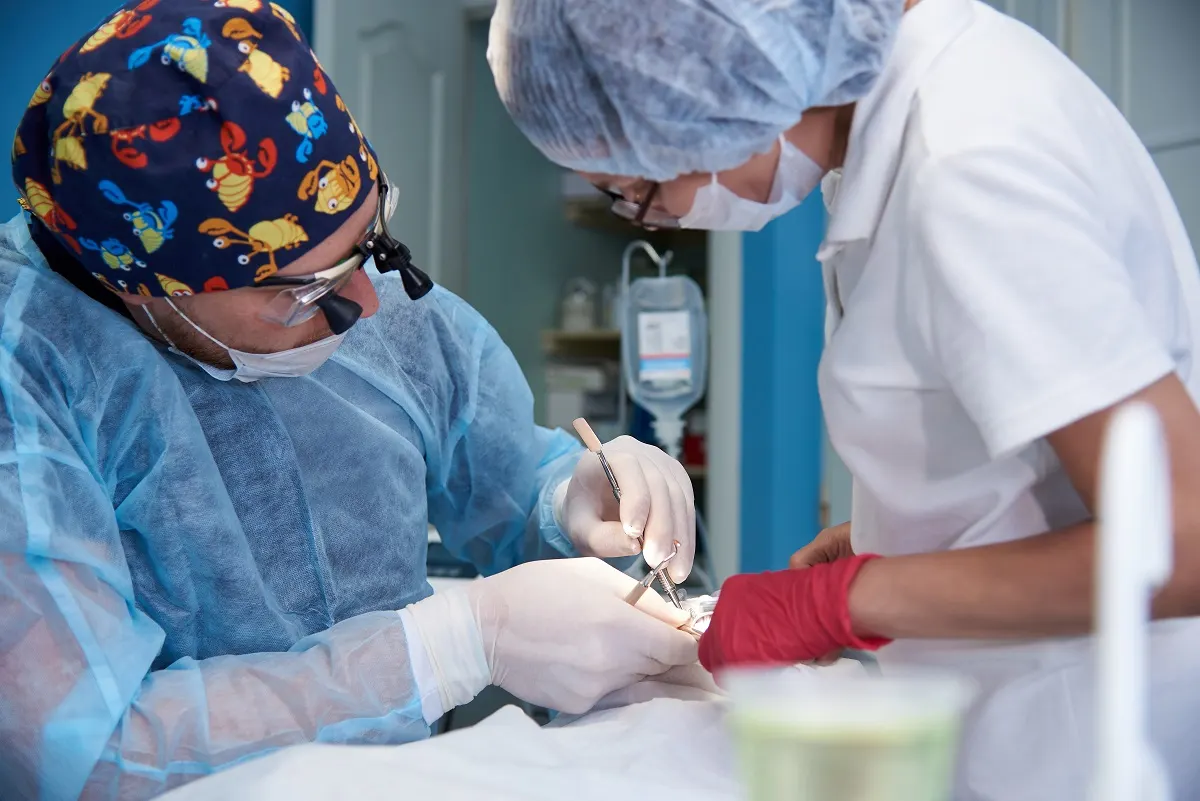
Over 4–6 months the placed bone material is replaced by your own living bone, creating a firm base that will hold the implant for life.
What is the difference between the open and closed method?
There are two main techniques. The choice depends on the volume of bone augmentation needed — the less augmentation, the less intervention:
Brief summary
Sinus lifting eliminates bone deficiency in the upper jaw and makes reliable implantation possible even in cases where it was previously said “an implant cannot be placed”. A well-planned operation is safe and predictable.